
Small work never clears the bar
An empty state, a wireframe, an accessibility pass. None of it justifies a scoping call, so design debt compounds quietly until a redesign is the only option.
When weekly releases create continuous UI/UX, landing-page and design-system work, a flat monthly queue can replace repeated project scoping with iteration capacity. It fits revenue-stage SaaS teams; SaaS accounts served by our partner provider sustained 7 to 10 requests a month.
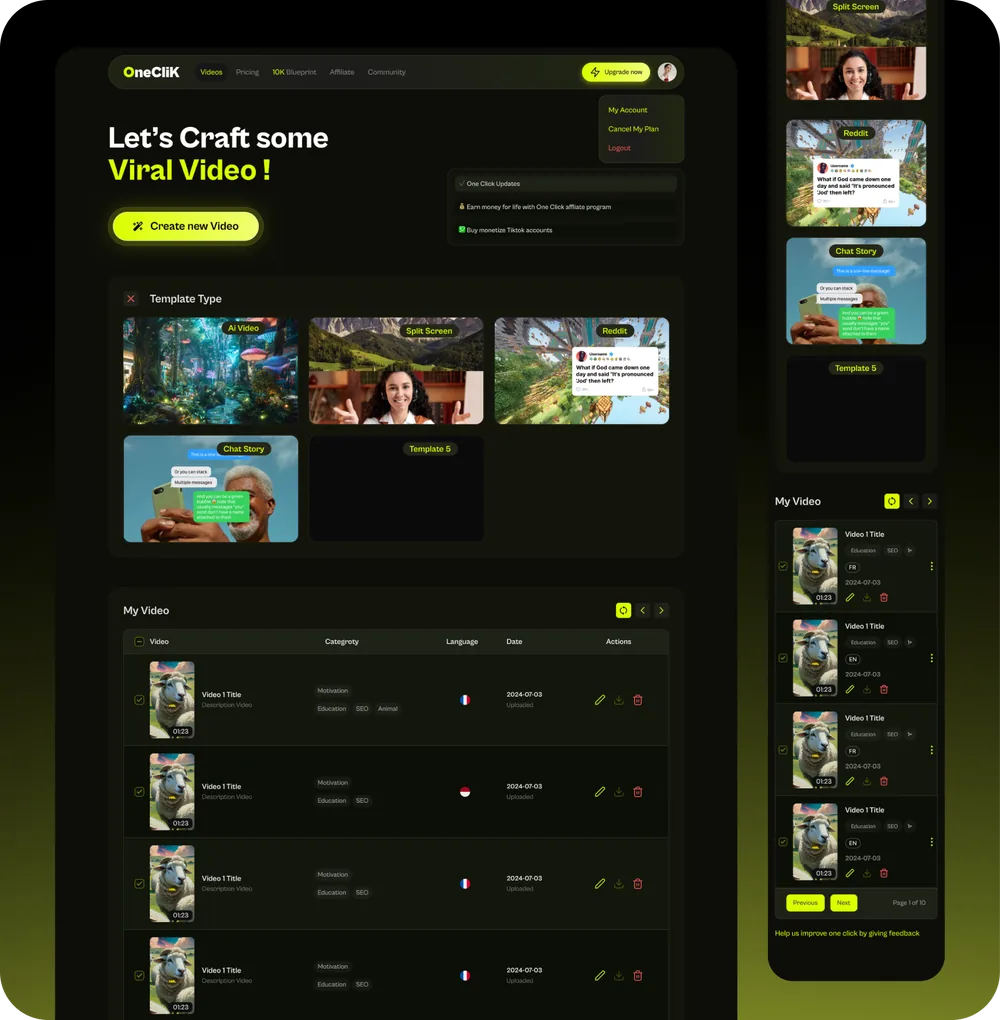
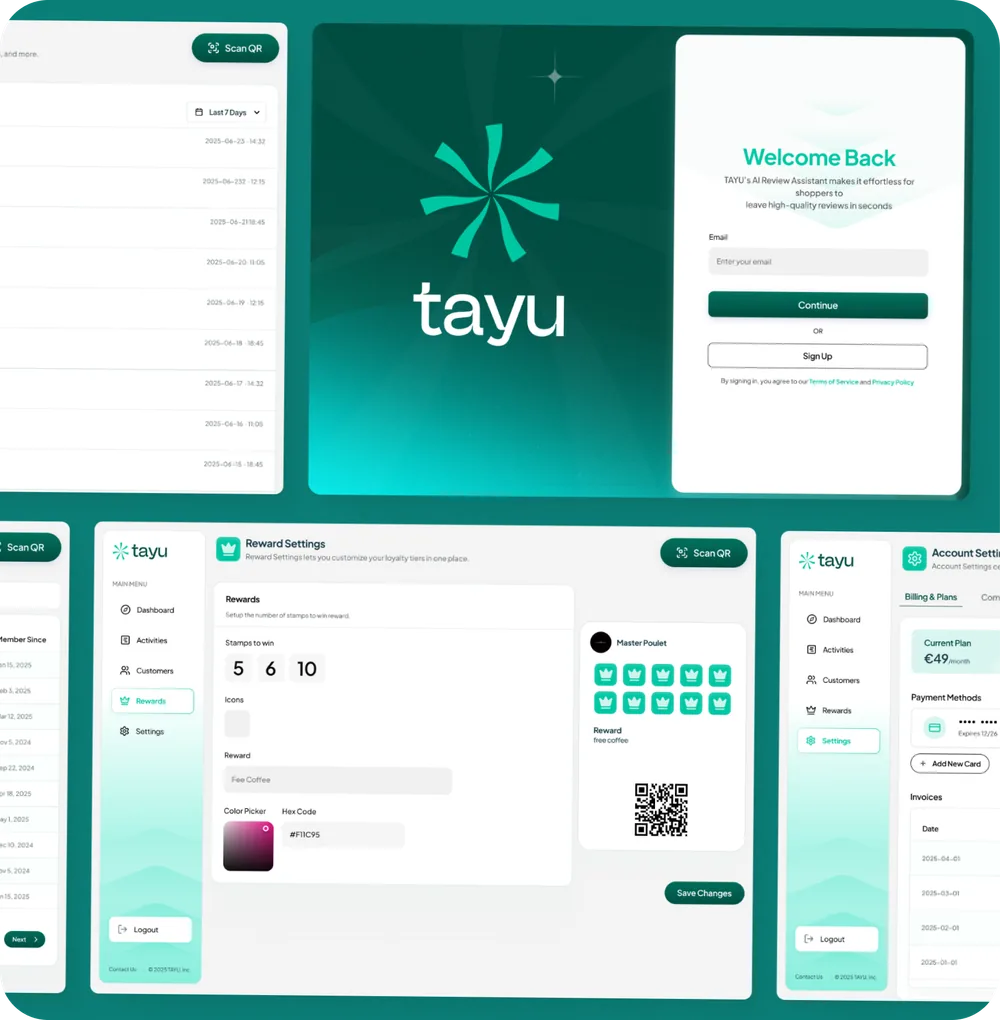
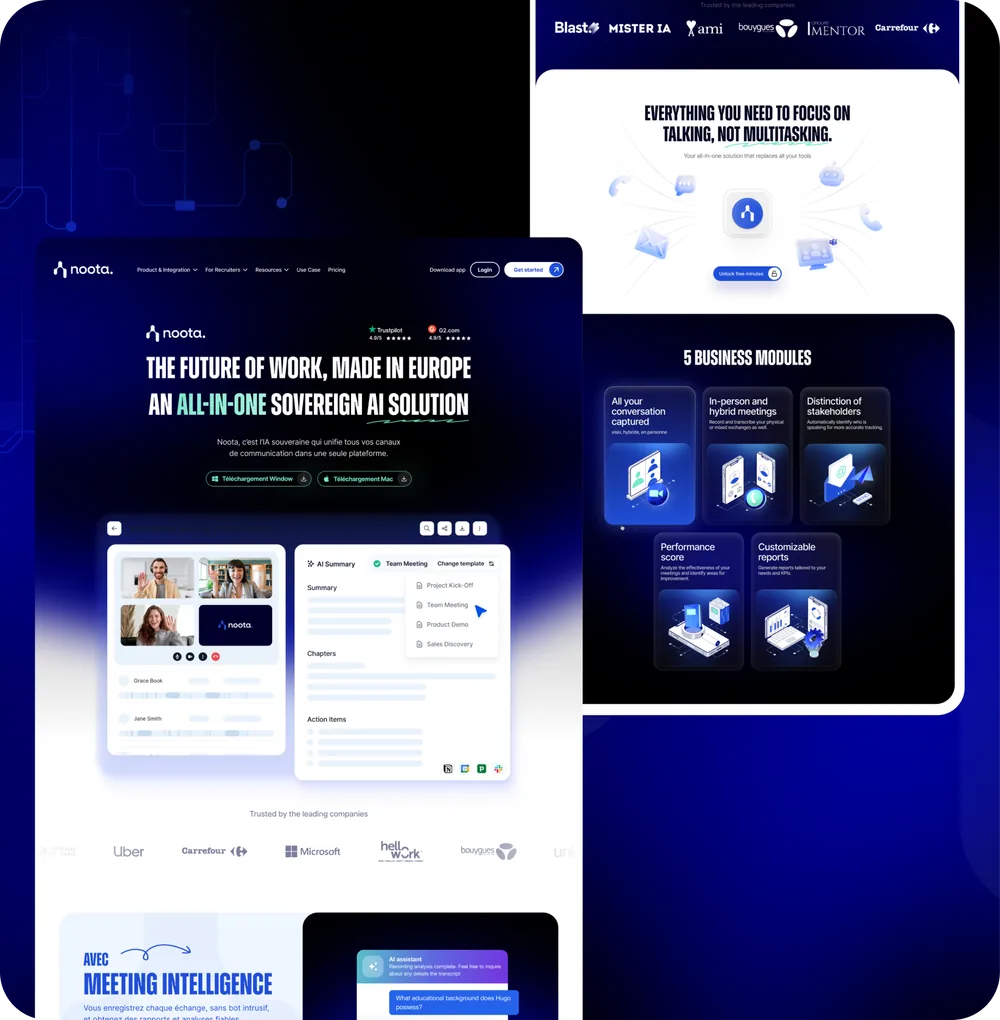
Engineering ships by sprint while design is often bought by project, leaving small UI fixes, experiments and growth pages waiting for a quote. A SaaS design subscription can put that continuous work in one prioritised queue and keep product and marketing on the same visual system. Two accounts served by our partner provider produced 530+ designs across nine months.
An empty state, a wireframe, an accessibility pass. None of it justifies a scoping call, so design debt compounds quietly until a redesign is the only option.

A/B testing means producing variants. Under project pricing you pay for each hypothesis before knowing whether it deserved testing.

Two people maintain them under different deadlines. Prospects see both in one session, and the inconsistency costs conversion before the trial.
A subscription creates value only when recurring demand already exists. For pre-revenue teams, templates and focused freelance help are usually the better response; for revenue-stage teams with a visible backlog, the queue absorbs execution while an internal owner keeps product direction.
Too early
A component library, a template and a few hours of freelance help will take you further for less money. We would rather say so than match you with a subscription you cancel in two months.
The turning point
Design requests are queueing, more than one person is complaining about it, and someone has started drafting a job description.
The strongest setup
A senior designer or design-literate founder holding direction, with outside capacity absorbing throughput underneath. Not one replacing the other.
The problem is not choosing one universally superior model. A senior hire owns product context, an agency handles defined strategic engagements, and a flat-rate team absorbs continuous execution. Compare them on iteration speed, context and the small work that currently has no owner.
| Senior in-house | Design agency | Design subscription | |
|---|---|---|---|
| Cost structure | Salary, equity, charges, tools | Project fees or retainer | One fixed monthly fee |
| Time to first output | Two to four months | Weeks of scoping and contracting | Typically a scoping call |
| Iteration speed | Immediate, capped at one person | Each change re-enters a project cycle | Continuous through the queue |
| Product context | Deep, compounds over time | Shallow, rebuilt each engagement | Built at onboarding, held by the provider team |
| Small tasks | Handled instantly | Uneconomical to scope | No marginal cost |
| Strategic input | High | High | Execution focused |
A senior hire wins when design is a competitive surface and the load genuinely fills a week. An agency wins for a defined strategic engagement. This model wins for continuous execution throughput, which is the majority of design work in a revenue-stage SaaS and the part that most often has no owner.
Results reported by our partner provider for its own clients.
Noota
SaaS
A sovereign AI SaaS turning meetings into concrete actions. The provider supported its expansion into two markets: social visuals, product icons, UI/UX assets, decks and campaign material, with brand consistency held across every format.
We expanded into two markets at the same time and brand consistency held across all formats, in two languages, for nine months. Without that, we could not have scaled our content that fast.
Minea
SaaS
Cross-functional support across separate developer and marketing teams: landing pages, marketing banners, UI components and design system work, covering the chain from marketing to technical.
Size on the combination of product iterations and marketing output. Teams consistently underestimate the marketing half.
Occasional creative needs.
Usually fits
Regular ongoing design production.
Usually fits
Higher-volume creative requirements.
Usually fits
Advanced workflows and multiple concurrent needs.
Usually fits
Indicative monthly budgets to help you frame your needs, not Design Scaling prices. Design Scaling does not sell design work: the provider you are matched with quotes, contracts and invoices the service directly.
No. Design Scaling qualifies your needs and matches you with a selected independent provider, who contracts with you, does the design work and invoices you directly.
Ask for it explicitly. A good SaaS provider completes UI/UX requests inside your existing Figma files and design system, so approved work extends the product rather than creating a parallel library.
Most design subscriptions keep design fully in scope and scope front-end build case by case, depending on your stack. Mention it when you describe your needs.
Context is captured at onboarding and compounds through the account. For work requiring deep product reasoning, this model complements an internal owner rather than replacing one. That boundary is real.
Yes, and it is one of the strongest arguments for the model: under a flat fee, variants carry no marginal cost.
Probably not yet. A component library and a few freelance hours will take you further at that stage.
Tell us what you need, how much of it and what you spend today. We qualify the request and connect you with a selected independent provider who quotes and delivers the work.
Find my design solution