
The ad set ships short
Product photos come back late, so the campaign launches with two creatives instead of six and fatigues in a week.
When product visuals, ad creatives and email delay the campaign calendar, a flat monthly queue can turn recurring briefs into predictable capacity. We help you check whether that model fits and match you with a provider; one store account served by our partner provider produced 885+ designs in three months.

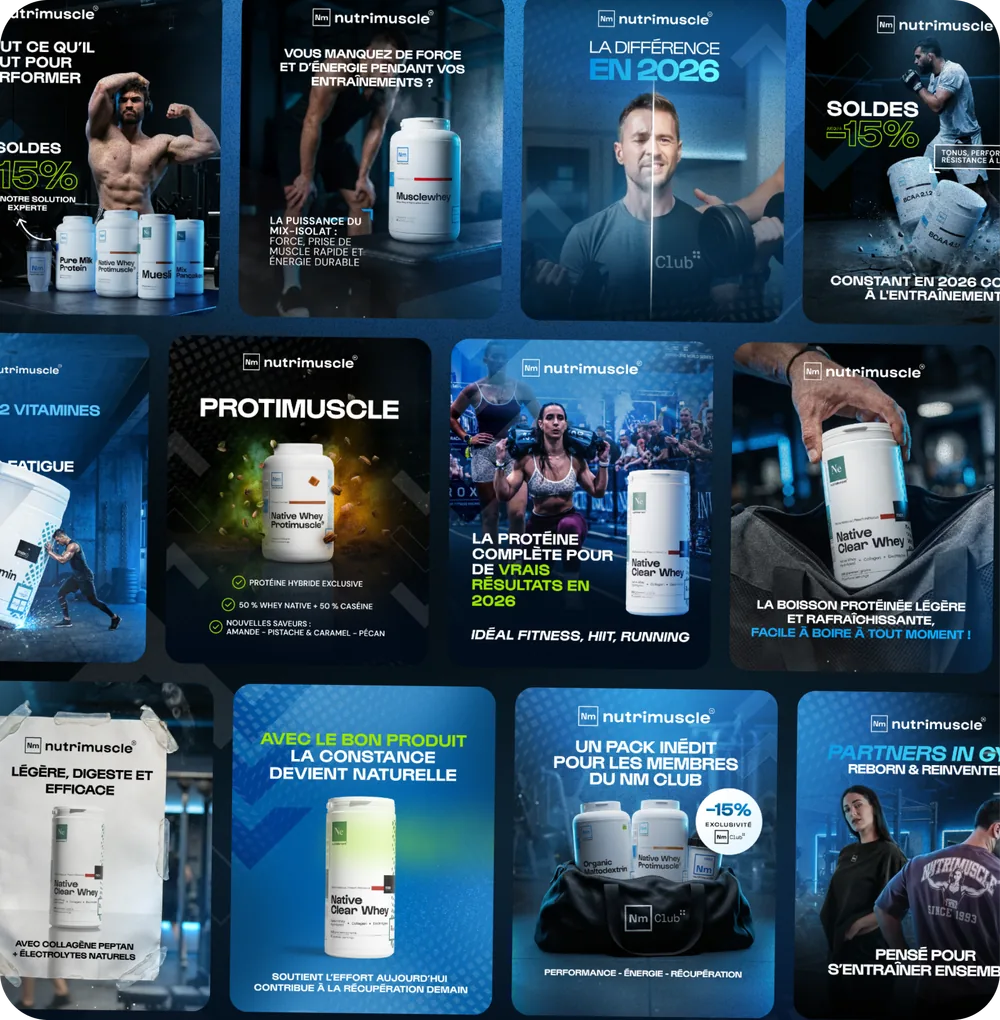
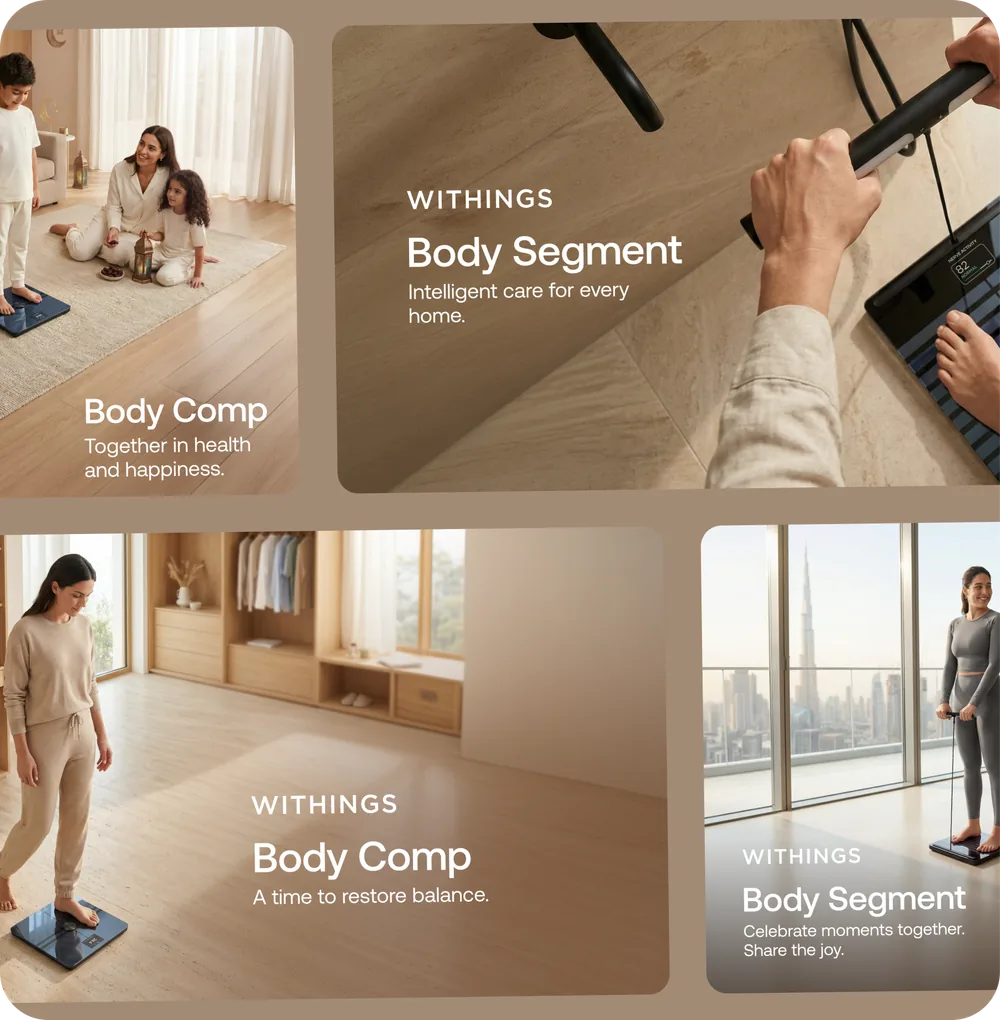
Most e-commerce teams have the strategy, calendar and media budget before they have the assets. A design subscription can answer that throughput gap with one prioritised queue, so campaigns are not forced to launch short. The evidence below comes from an account served by our partner provider, running 30 requests a month at peak.
Product photos come back late, so the campaign launches with two creatives instead of six and fatigues in a week.

The template was built once at launch. Every campaign since has been an edit of an edit, and nobody has time to rebuild it.

Black Friday and holiday assets must exist before the traffic does, at the exact moment your team has the least slack.
There is no verified universal creative-to-budget ratio, so a generic quota would be guesswork. Work out concepts, variations and placements from your real channel plan, then size the capacity you need against that output. It keeps the budget tied to work you can audit.
Set your testing frequency
How often do you introduce a genuinely new concept? Weekly testing across two channels is a different production load from monthly testing on one.
Separate concepts from variations
A concept is a new idea. A variation is that idea in another form. Concepts are expensive to produce and cheap to vary, and most stores get the ratio backwards.
Multiply by placements first
One concept becomes several assets across feed, story and reel formats on more than one platform. This is the step that gets skipped, and why creative plans come up short in week two.
Those three numbers give your monthly output. Compare it against what that output costs you today, per asset, under your current arrangement. The comparison usually answers the question on its own; send it with your request and we use it to point you to the right model and budget range.
Seasonal demand makes fixed internal capacity expensive at peaks and underused in quiet months. Compare both models on continuity, range and peak capacity; the honest answer may be an internal brand owner plus outside throughput.
| In-house designer | Design subscription | |
|---|---|---|
| Cost structure | Salary, charges, software, hardware, management time | One fixed monthly fee |
| Time to output | Two to three months to recruit and onboard | Typically a scoping call |
| Range | One person’s specialty | Often a wide catalogue, including motion, packaging, 3D |
| Peak capacity | Fixed, while your peaks are seasonal | Scales by tier |
| Quiet months | You pay the same | Often pause, or size down |
| Continuity | Holidays, sick leave, resignation | Team continuity on the provider side |
In-house genuinely wins when the load is consistently full-time and the work requires sitting inside daily commercial decisions. Plenty of brands eventually run both: an internal designer who owns the brand, and outside capacity that absorbs throughput. If that is your answer, we will tell you.
Results reported by our partner provider for its own clients.
Breez
E-commerce
Scaling fast without losing quality: creative ads for Meta campaigns and acquisition channels, email designs built for conversion, product photography and web redesign assets, produced at a relentless pace from day one.
Q4 and launch months set your real requirement. A budget chosen on a quiet month queues at exactly the wrong moment.
Occasional creative needs.
Usually fits
Regular ongoing design production.
Usually fits
Higher-volume creative requirements.
Usually fits
Advanced workflows and multiple concurrent needs.
Usually fits
Indicative monthly budgets to help you frame your needs, not Design Scaling prices. Design Scaling does not sell design work: the provider you are matched with quotes, contracts and invoices the service directly.
No. Design Scaling qualifies your needs and matches you with a selected independent provider. The provider contracts with you, produces the work and invoices you directly.
Most can. Ask whether retouching, cleanup, cropping and format declination are in scope; the provider we currently match most e-commerce requests with covers them.
Listing images and A+ layouts are common subscription requests. Mention them when you describe your needs so we match you with a provider that covers them.
A good provider turns your references, guidelines and approved assets into a brand profile at onboarding and applies it to every request. Ask how it is done before you sign.
Size your budget on your peak rather than your average, and check with the provider how quickly the plan can change as your volume changes.
It depends on the provider and the tier: one active request is common, two in parallel usually costs more. Ask for that cap before comparing any two providers on price.
Tell us what you need, how much of it and what you spend today. We qualify the request and connect you with a selected independent provider who quotes and delivers the work.
Find my design solution